Buying new or used diesel equipment: what to check
New and second-hand diesel equipment can both be suitable choices, but they solve different commercial needs. A new unit may provide a straightforward option for a long-term fleet or standardised project requirement. A carefully selected used unit may offer practical value where condition, specifications and expected use are properly understood.
The important step is to compare equipment using more than the purchase price. The following checks can help buyers prepare a stronger enquiry and make a more informed decision.
Define the job before comparing equipment
Start with the intended application, required output, project duration and operating environment. A generator, compressor or bulldozer should be selected around the work it needs to perform. Brand preference can be useful, but it should not replace an assessment of capacity, configuration and condition.
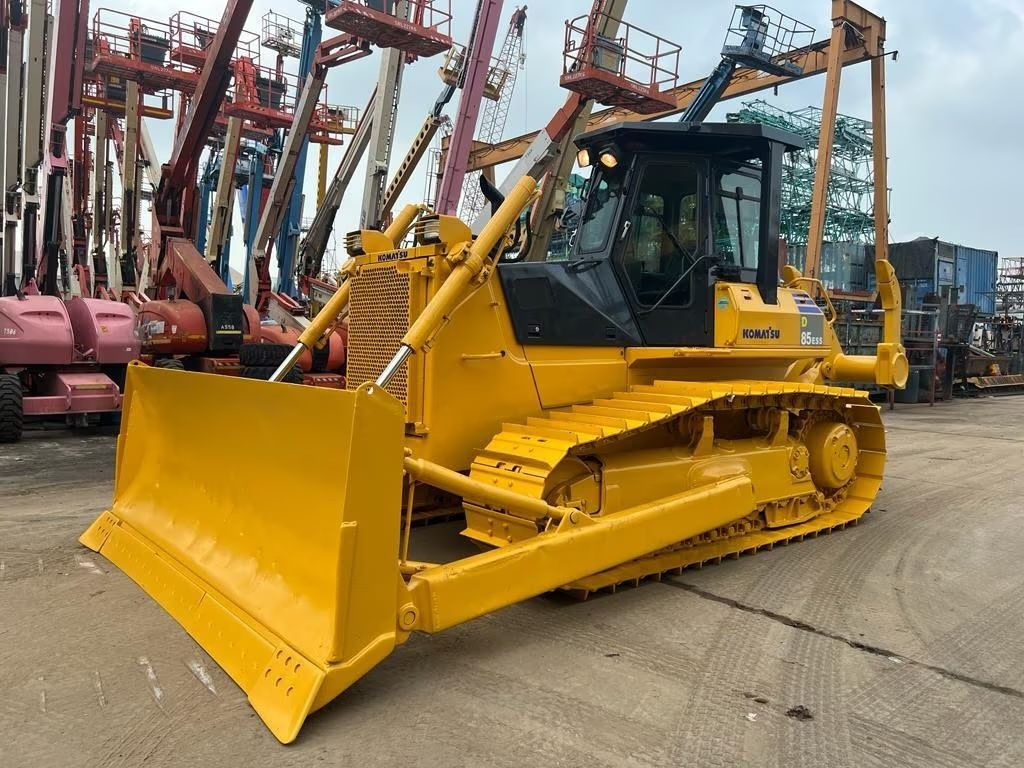
For generators, provide the required kVA range and expected load profile. For air compressors, identify the required airflow and pressure. For earthmoving equipment, describe the machine type, material, site conditions and expected production requirement.
Understand the advantages of new equipment
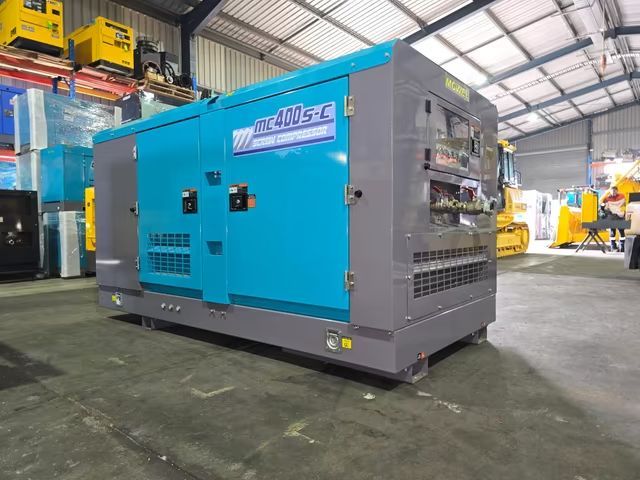
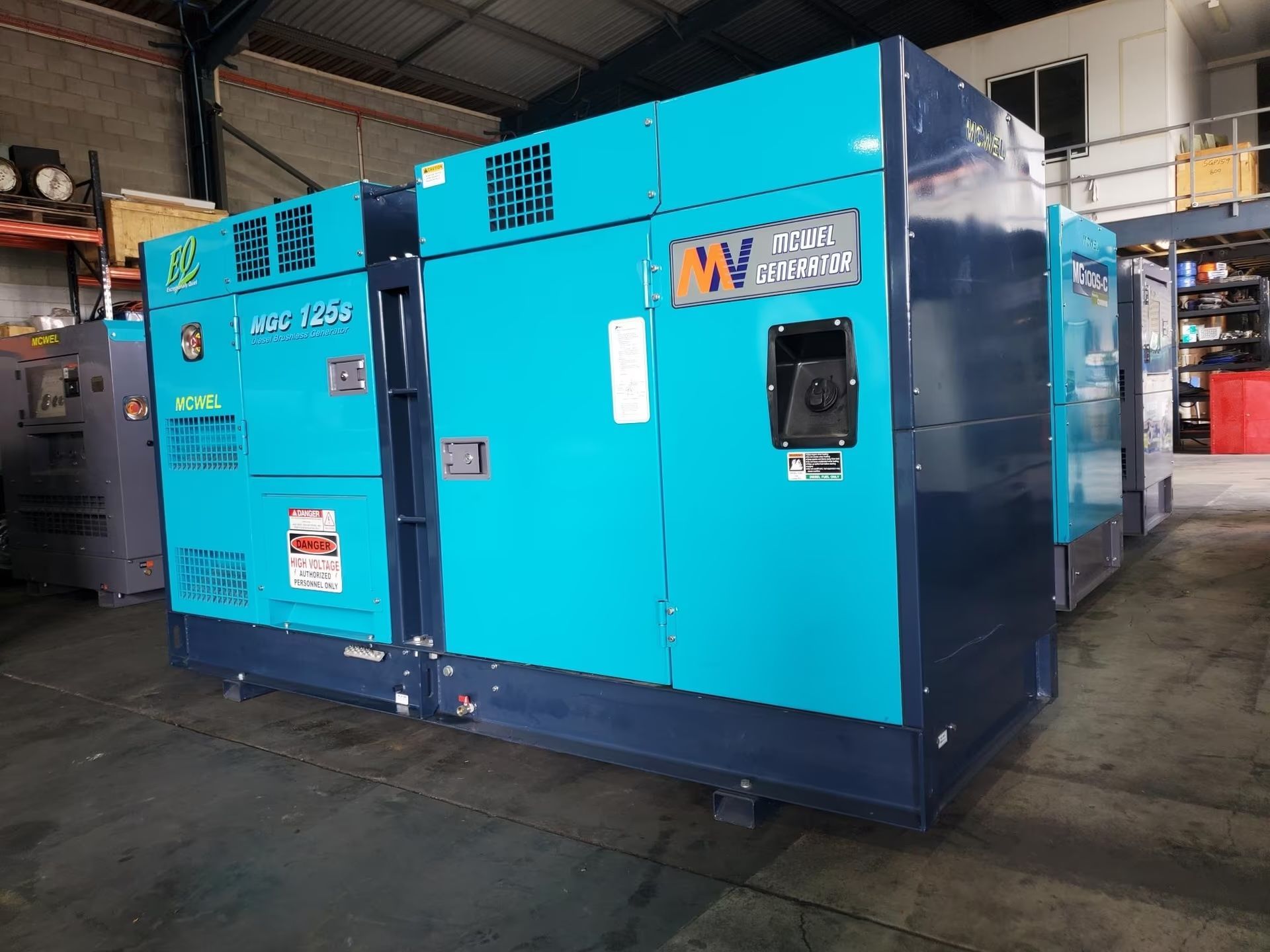
Brand-new equipment can suit customers who need a defined specification, consistent fleet configuration or long-term ownership. It may also be easier to compare when manufacturer information is readily available. Cummins and Kubota generator options, and Airman and Denyo compressor options, may be considered depending on availability and application.
New equipment is not automatically the right answer for every project. Lead time, purchase budget, utilisation and the expected ownership period should still be considered.
Inspect the condition of used equipment
Second-hand equipment should be reviewed using the information available about age, hours, maintenance, visible condition and previous use. Particular attention should be given to the engine, alternator or compressor components, controls, leaks, corrosion, wear and any signs of unsuitable repair work.
Where possible, ask for clear photographs, model and serial information, operating hours and known service details. A hands-on inspection can provide useful context, but buyers should still assess whether the machine is appropriate for their own intended application.
Check specifications and compatibility
Equipment may appear similar while differing in voltage, frequency, output, mounting, controls, connections or operating configuration. Confirm the specifications that affect your site and any supporting equipment. This is particularly important when sourcing from overseas manufacturing plants or Japanese suppliers.
Transport dimensions, lifting requirements and site access should also be reviewed before purchase. A suitable machine can still create delays if transport or placement has not been planned.
Compare ownership with dry hire
Purchasing is not the only option. Dry hire may suit temporary demand, defined project periods or customers that have the resources to manage equipment operation on site. Comparing expected utilisation and project duration can help determine which arrangement is more practical.
Customers considering a generator can review Wasp Diesel’s new and used diesel generator options. For compressors, visit air compressor sales and hire.
Request transparent equipment information
A useful enquiry should include the equipment type, required capacity or size, preferred brand, project location, intended application, budget range and time frame. Clear details allow available units to be compared against the actual requirement.
To discuss brand-new or second-hand diesel equipment, contact Wasp Diesel with your project and equipment requirements.