How to choose an air compressor for your project
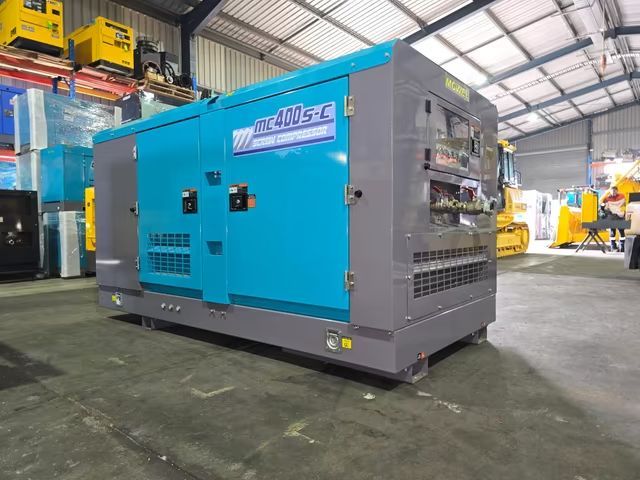
Choosing an air compressor for a project involves more than selecting a familiar brand or the largest unit available. The right choice depends on what the equipment needs to power, the airflow and pressure required, the conditions on site, and how long the compressor will be needed. For civil, commercial, and industrial work, getting these details clear before arranging equipment can help narrow the options and avoid selecting a unit that does not suit the application.
Wasp Diesel supplies brand-new and second-hand Airman and Denyo air compressors for sale or dry hire. From its Rocklea base, the team supports equipment enquiries across the East Coast, including Brisbane and Rocklea, Mackay, Newcastle and the Hunter, Sydney, and Melbourne. The following considerations can help you prepare a clearer compressor enquiry and compare available equipment more effectively.
1. Start with the airflow and pressure requirements
The first step is identifying what the compressor needs to operate. Different tools and equipment can require very different volumes of compressed air, and a compressor that suits one task may not be appropriate for another. Where possible, gather the airflow and pressure requirements for the equipment that will be connected.
It is also important to consider whether several tools will operate at the same time. A project using one tool intermittently has a different demand profile from a site where multiple air-powered tools may be running together for long periods. Sharing this information gives the supplier a clearer picture of the expected operating load.
Avoid selecting a compressor purely because its rated output appears higher. The objective is to find equipment that matches the actual application, operating pattern, and site requirements. If the exact figures are not known, provide the make and model of the tools or machinery where possible so the requirement can be reviewed.
2. Consider the operating environment
Site conditions can influence compressor selection and how the equipment is positioned and used. Construction sites, industrial facilities, workshops, and remote project areas can each present different space, access, dust, weather, and transport considerations. These practical factors should form part of the equipment discussion from the beginning.
Think about where the compressor will be located in relation to the work area and whether the site has any access limitations. Transport requirements can become particularly important for projects outside South East Queensland, where the equipment may need to be coordinated over a longer distance from Wasp Diesel's Rocklea base.
Providing the project location early also helps clarify whether sales, dry hire, or servicing support is practical for the job. Wasp Diesel supports enquiries across its East Coast service corridor, but equipment availability and transport arrangements are assessed individually for each project.
3. Decide whether purchase or dry hire better suits the project
The expected duration of use is another important consideration. Purchasing may suit businesses that expect to use a compressor regularly or want to add equipment to an ongoing fleet. Dry hire can be useful where the requirement is project-based and the customer has the people and capability to manage the equipment on site.
For a short-term requirement, dry hire may avoid committing capital to equipment that will only be needed for a defined period. Longer or recurring requirements can make ownership worth considering, particularly when the business wants greater control over equipment availability. The right choice depends on the project pipeline, operating capability, and budget.
If you are comparing these options, review Wasp Diesel's air compressor sales and hire service and dry-hire generator and compressor options. Providing the expected start date and duration will help the team assess what may be suitable.
4. Review new and second-hand equipment carefully
Both new and second-hand compressors can suit commercial and industrial work when the equipment is appropriate for the application. The important point is understanding what is being offered, including relevant specifications, visible condition, and known equipment information.
When considering second-hand equipment, ask for the details that matter to the intended use. The decision should not be based on purchase price alone. Condition, expected utilisation, transport requirements, and the work the compressor needs to perform should all be part of the comparison.
Wasp Diesel works with established manufacturers and Japanese suppliers and focuses on clear equipment information before supply. This gives customers a practical basis for comparing available units rather than relying on generic claims about condition or performance.
5. Plan for servicing and maintenance
Air compressors are working equipment, so maintenance requirements should be considered when planning a purchase or ongoing equipment use. Service requirements can vary according to operating hours, environment, condition, and how heavily the unit is used.
Keeping equipment information, maintenance history, and operating details available can make future servicing enquiries more efficient. If an issue develops, details such as the make, model, symptoms, current location, and known maintenance history can help the service team understand what needs to be assessed.
Wasp Diesel provides equipment servicing and maintenance for supported generators, air compressors, and relevant equipment. Availability depends on the equipment, work required, and project location.
6. Give the supplier a useful project brief
A concise equipment brief can make the selection process much more efficient. Include the intended application, required airflow and pressure where known, project location, expected duration, and whether you are considering purchase or dry hire. If there are unusual access or operating conditions, include those as well.
For East Coast projects, the location also helps identify transport and support considerations. Wasp Diesel has regional information for Brisbane and Rocklea, Mackay, Newcastle and the Hunter, Sydney, and Melbourne.
The more clearly the requirement is described, the easier it is to compare available Airman and Denyo equipment against the job. This is especially useful when deciding between a new unit, second-hand equipment, or a dry-hire arrangement.
Choosing an air compressor with the project in mind
The best air compressor is the one that suits the actual operating requirement. Airflow, pressure, application, site conditions, duration, transport, and equipment condition all deserve consideration before a decision is made. Taking a project-based approach gives you a stronger basis for comparing both purchase and dry-hire options.
To discuss an air compressor requirement, contact Wasp Diesel with the equipment application, required output, project location, and expected duration. The Rocklea team can review the information and help identify suitable next steps for your project.