How to choose the right diesel generator capacity
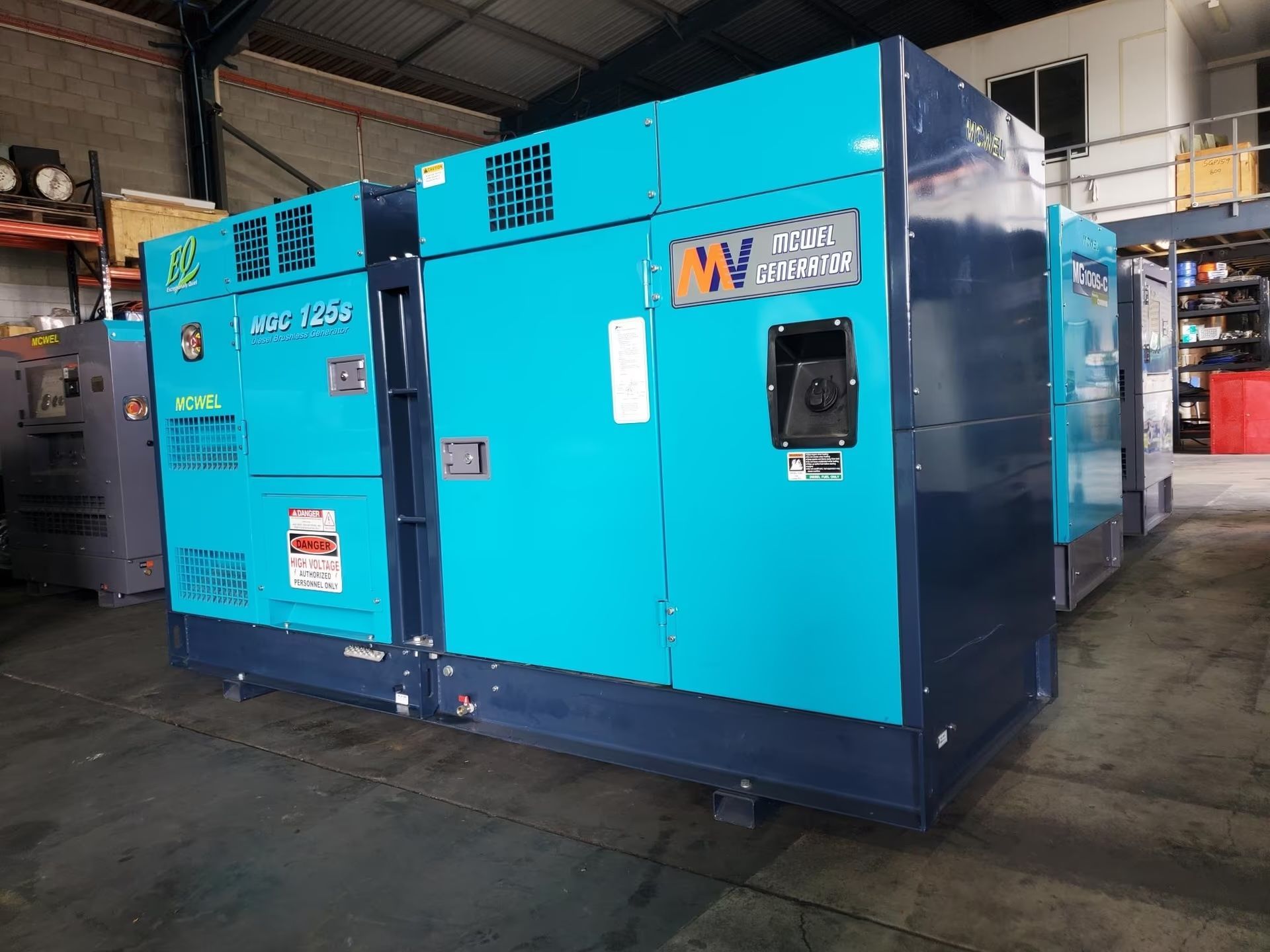
Selecting a diesel generator is not simply a matter of choosing the largest unit available. A generator needs to match the equipment it will power, the way that equipment starts and operates, the site environment, and the expected duration of use. Taking time to define these requirements can help avoid an undersized unit that struggles under load or an oversized unit that is inefficient for the application.
Wasp Diesel supplies and dry hires diesel generators from 10 kVA to 2000 kVA for civil, commercial and industrial projects. The following considerations can help you prepare a more useful generator enquiry.
Start with the equipment that needs power
Create a list of every item the generator may need to run. Record each item’s operating load and, where relevant, its starting load. Motors, pumps, compressors and other inductive equipment can require considerably more power when starting than during normal operation.
It is also important to identify which items will start at the same time. A project may have a modest running load but a much higher peak when several machines begin operating together. A realistic load profile gives an equipment supplier a stronger basis for assessing capacity.
Consider continuous, prime and standby use
The intended operating pattern affects generator selection. A unit used occasionally for backup power has a different duty cycle from a generator running for long periods on a remote project. Explain how many hours per day the generator is likely to operate and whether the load will remain steady or vary significantly.
Project duration also matters. Purchasing may suit an ongoing fleet or facility requirement, while dry hire can be practical for temporary works or a defined project period.
Account for the site environment
Temperature, dust, ventilation, access and placement can all influence equipment suitability. A generator operating in an exposed civil environment may need different planning from a unit positioned at a commercial facility. Transport access and the space available for safe installation should be considered before equipment reaches the site.
Provide the project location when making an enquiry. Wasp Diesel supports customers along the East Coast from Mackay to Melbourne, with availability and transport assessed for each project.
Allow for starting loads and future demand
Choosing capacity based only on the current running load can leave little room for starting demand, operational variation or planned additions. At the same time, excessive oversizing is not automatically the safer choice. A balanced selection should provide appropriate operating headroom without ignoring efficiency and equipment duty.
Where project requirements are likely to change, explain the expected future load. This can help determine whether the selected unit should accommodate expansion or whether a different equipment arrangement would be more suitable.
Provide clear information when requesting a quote
A useful generator enquiry should include the required equipment, known load information, operating hours, project location, site conditions, preferred brand, expected start date and purchase or dry-hire preference. Cummins and Kubota options may be available, along with brand-new and second-hand equipment.
Explore Wasp Diesel’s diesel generator sales and hire options for further information. To discuss a specific requirement, contact Wasp Diesel with your project details and required capacity.